An implant tooth procedure is a surgical and restorative treatment that replaces a missing tooth with a titanium implant, an abutment, and a custom crown. This article explains who’s a candidate, the step-by-step process, risks and recovery, costs and financing, how to choose a provider, and what to expect at Gwinnett Dental Implant Center. If you’re researching an implant tooth procedure in Lilburn, GA, this guide will help you make informed choices.
What is an implant tooth procedure?
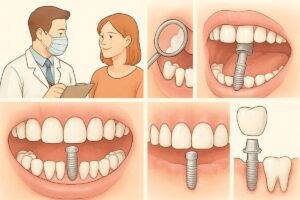
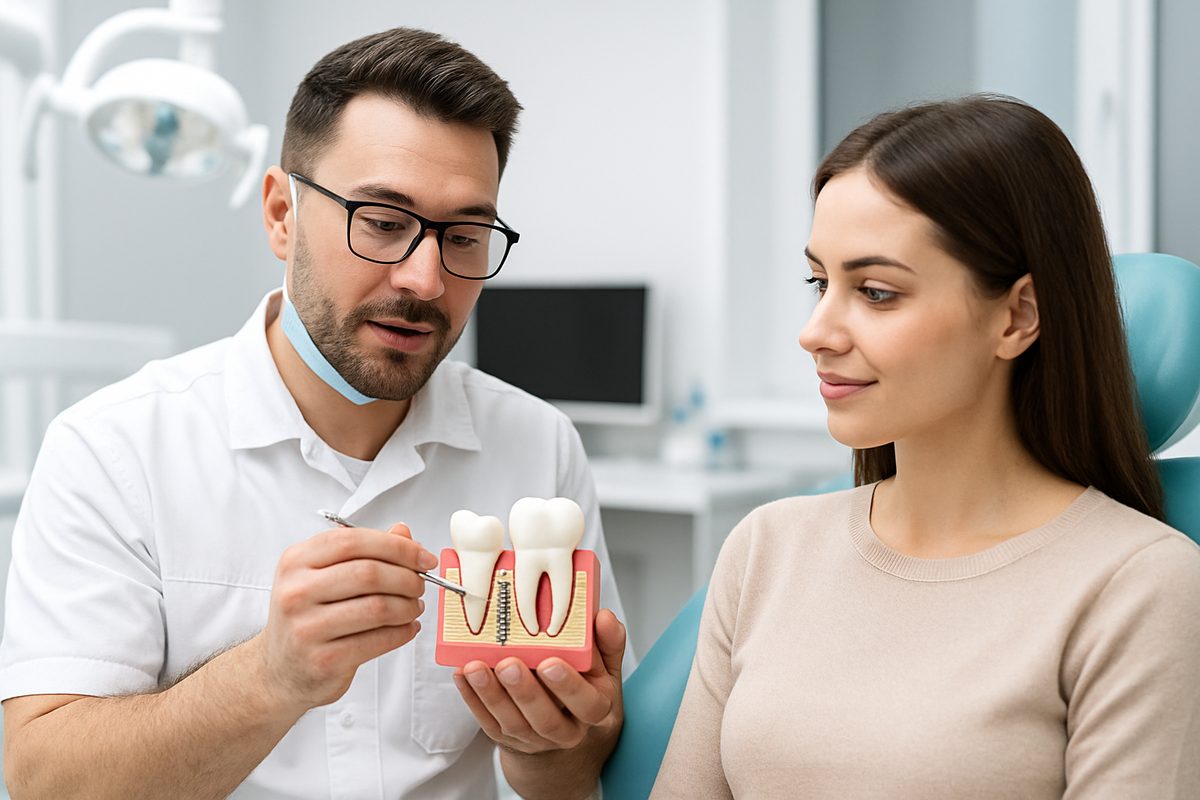
An implant tooth procedure involves three main parts: the implant (a titanium post placed in the jaw), the abutment (a connector), and the crown (the visible tooth). Together, they mimic a natural tooth’s root and crown, restoring chewing, speech, and appearance. Many patients prefer implants for durability and bone preservation.
Who is a good candidate for an implant tooth procedure?
Good candidates have healthy gums, enough jawbone to support an implant, and a commitment to oral hygiene. Age alone isn’t a barrier; many adults and seniors are eligible. A consultation with imaging will confirm if implants are right for you.
Oral health and medical considerations
Healthy gums and sufficient bone are key. Chronic conditions like uncontrolled diabetes, heavy smoking, or certain immune issues can affect healing. Your provider will review medications and health history and may recommend medical clearance or special protocols to improve outcomes.
Alternatives and when implants are not the first choice
Bridges or partial dentures may be recommended when bone is insufficient, cost is a concern, or when quick, less invasive solutions are needed. Bridges rely on adjacent teeth; dentures are removable. Each option has trade-offs in function, cost, and maintenance.
Step-by-step: what to expect during a tooth implant procedure
The process includes planning, surgery, healing, and restoration. Timelines vary—single-tooth cases can take a few months from start to finish, while more complex cases, such as full-arch restorations, may take longer.
Consultation and planning
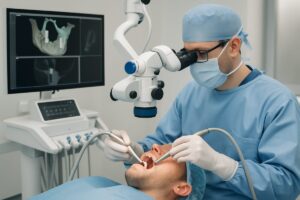
Expect a clinical exam, X-rays, or CBCT 3D imaging, and a personalized treatment plan. Imaging maps jaw anatomy and helps determine implant size and position, as well as whether grafting is needed. You’ll get a clear timeline and cost estimate.
Surgery: implant placement
Placement is done with local anesthesia and optional sedation. The implant is inserted into the bone—sometimes using guided or robotic-assisted techniques for precision. Sutures may be placed, and you’ll receive post-op instructions for comfort and care.
Healing and osseointegration
Bone gradually fuses to the implant over weeks to months (osseointegration). Mild swelling and soreness are common. Follow-up visits monitor healing; avoid chewing on the site until your dentist approves.
Final restoration
After healing, an abutment is attached, and a custom crown is placed and adjusted for fit, bite, and appearance. Final checks ensure comfort and long-term function.
Risks, recovery, and aftercare after an implant tooth procedure
Common side effects include swelling, bruising, and mild pain. Watch for signs of infection, prolonged pain, or implant mobility, and contact your provider if they occur. Use pain control, follow diet recommendations, and maintain gentle oral hygiene during healing.
Cost, insurance, and financing for an implant tooth procedure
Costs depend on the number of implants, bone grafts, imaging, and the final restoration. Insurance may cover part of the crown or related care, but often limits implant coverage. Many practices offer financing, in-house plans, or third-party lenders. To understand affordable dental implant options, discuss your specific needs with a provider.
How to choose the right provider for an implant tooth procedure
Look for board-certified specialists, documented surgical experience, 3D imaging (CBCT), advanced technologies, clear treatment plans, positive patient reviews, and transparent pricing. An on-site lab and coordinated care shorten timelines and improve results.
About Gwinnett Dental Implant Center and why patients choose them
Gwinnett Dental Implant Center in Lilburn, GA, brings board-certified periodontists, an oral surgeon, on-site CBCT, Yomi robotic-guided surgery, and a master lab together for coordinated care. Their team emphasizes safety, comfort, bilingual communication, and flexible financing to make implants accessible.
Next steps
To schedule a consultation, call or book online. Bring a list of medications, dental records if available, and your questions about timelines, costs, and anesthesia options for an implant tooth procedure in Lilburn, GA.