Implant dental surgery can replace missing or failing teeth with durable, natural-feeling dental implants anchored in the jawbone. Many patients choose implant dental surgery to restore chewing, speech, and confidence when crowns, bridges, or dentures no longer work. This guide covers who makes a good candidate, how the procedure is planned and done, recovery, risks, costs, and how to pick the right provider.
What Is Implant Dental Surgery?
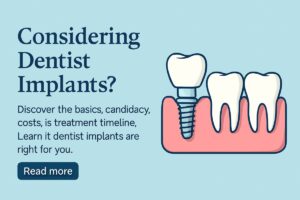
Implant dental surgery places a small titanium screw into the jawbone to act as an artificial tooth root. After the implant integrates with the bone, a crown, bridge, or denture is attached. Implants look and function like natural teeth and help prevent bone loss that follows tooth loss.
Common types of implant treatments
Single-tooth implants replace one tooth with an implant and a crown. Implant-supported bridges span several missing teeth without using nearby healthy teeth. All-on-X or full-arch solutions use a few implants to support a fixed full-mouth prosthesis for patients who are missing most or all of their teeth.
Who Is a Good Candidate for Implant Dental Surgery?
Good candidates generally have healthy gums and enough jawbone to support an implant, or can undergo bone grafting to build bone. Implants are best for people with missing or failing teeth who want a long-term solution. A dental exam and 3D imaging determine candidacy.
Medical and lifestyle considerations
Certain chronic conditions (uncontrolled diabetes), smoking, and some medications can lower implant success. Your provider will review your medical history and may recommend medical clearance or lifestyle changes before surgery to increase the chance of a successful outcome.
How Implant Dental Surgery Is Planned
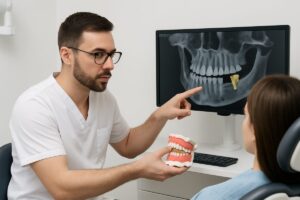
Planning starts with an exam, dental X-rays, and often CBCT 3D imaging to map bone and nearby nerves. Your provider sets clear treatment goals, chooses implant size and position, and decides if grafting or extractions are needed before placement.
The role of guided planning
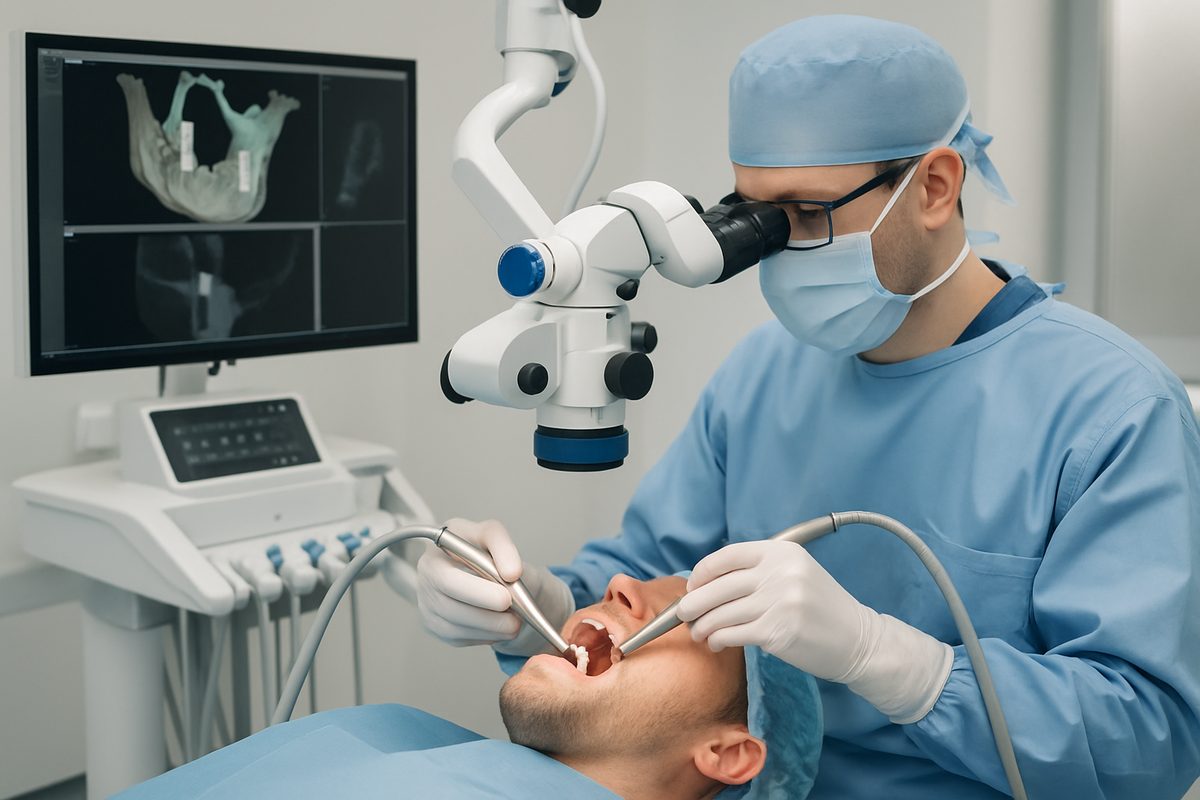
Guided planning uses digital templates or robotic assistance to place implants more precisely. This improves safety and predictability, especially in complex cases, and helps the team visualize the final result before surgery.
What to Expect During and After Implant Dental Surgery
The surgery itself is typically outpatient. The implant is placed into the bone, and a temporary restoration may be used. Over weeks to months, osseointegration (bone fusing to the implant) occurs. Once healed, a custom final crown or denture is attached.
Recovery timeline and home care
Expect mild to moderate soreness for a few days, which can be managed with pain meds and cold packs. Soft foods are recommended initially. Maintain gentle oral hygiene and follow post-op instructions. Most implants integrate in 3–6 months before final restorations are placed.
Risks, Success Rates, and Long-Term Maintenance
Complications can include infection, implant failure, or nerve irritation, but overall success rates are high (often above 90%). Success is enhanced by good oral hygiene, quitting smoking, and regular dental visits. Early follow-up helps spot issues quickly.
How to care for implants long-term
Brush and floss implants daily, use interdental brushes if recommended, and see your dentist for professional cleanings and checkups. Avoid hard or damaging habits, such as chewing ice or opening packages with your teeth.
Costs, Insurance, and Financing for Implant Dental Surgery
Cost varies by the number of implants, the type of final restoration, the need for bone grafting or extractions, and the technology used. Many dental plans limit implant coverage. Practices often offer payment plans or third-party financing to spread costs and make treatment more accessible.
How to Choose the Right Provider for Implant Dental Surgery
Look for board-certified periodontists or oral surgeons with experience in dental implants. Ask about outcomes, before-and-after photos, patient reviews, and technology like CBCT or guided systems. An in-house lab and clear communication improve predictability and convenience.
About the Practice
Gwinnett Dental Implant Center in Lilburn, GA, specializes in implant dental surgery, led by board-certified periodontists. The practice uses advanced tools, including Yomi robotic-guided implant surgery, CBCT planning, All-on-X options, and an on-site master lab, to create custom, natural-looking restorations with a patient-first approach.
Next Steps
To schedule a consultation for implant dental surgery, bring a list of medications and your dental history. The initial visit typically includes an exam and imaging. Contact the office to set an evaluation and discuss a personalized treatment plan and financing options.