When contemplating dental implants, many people find themselves wondering, “Who offers the cheapest dental implants?” The answer, however, is not straightforward, as affordability can vary based on numerous factors. While low-cost options are available—such as dental schools and travel clinics—it’s essential to understand that lower prices often come with trade-offs in quality, materials, or the level of care provided. This guide examines the primary cost drivers associated with dental implants, highlights where to find competitive pricing without compromising quality, and reveals hidden fees to be aware of. By assessing the true value of dental implant services, you can make informed decisions that prioritize both cost and quality of care, ensuring you receive the best treatment possible.
Why implant prices vary
Parts and materials
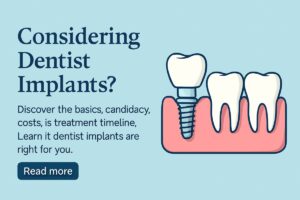
A dental implant consists of three parts: the implant (typically made of titanium or zirconia), the abutment, and the crown. Premium brands and ceramic crowns tend to be more expensive. Cheap implants may use lower-cost parts or off-brand systems that can be harder to restore or replace later.
Procedure complexity
Replacing one tooth is less expensive than replacing multiple teeth or a full-arch All‑on‑X. Extra steps—such as bone grafts, sinus lifts, and extractions—add time and fees. The more complex the case, the higher the price.
Provider skill and technology
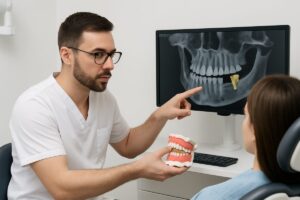
Specialists and surgeons with advanced training charge more. Technologies like CBCT 3D imaging, guided surgery, or robotic guidance can raise costs but improve accuracy and lower the risk of complications.
Where people often find the cheapest implants
Dental schools and training clinics
Dental schools offer reduced fees because residents do the work under supervision. Pros: lower price and oversight. Cons: longer timelines and care by trainees rather than seasoned specialists.
Dental chains and low-cost clinics
Chains run promotions and may offer competitive pricing. Pros: fast scheduling and marketing deals. Cons: follow-up may be limited, and they sometimes use cheaper materials or outsource lab work.
Dental tourism
Traveling abroad can significantly reduce implant costs. Pros: big savings. Cons: travel expenses, limited aftercare, and little legal recourse if problems occur once you return home.
Hidden costs and long-term value
Cheapest upfront price can hide follow-up visits, adjustments, repair or replacement of crowns, and treatment for complications. Implant failure or poor fit can lead to redoing the whole process—making initial savings disappear. Always request an itemized quote and warranty details before making a decision.
Risks of choosing the absolute cheapest
Low-cost options may increase risks, including infection, poorly fitting restorations, improper placement, or the use of unproven materials. These issues can cause pain, additional procedures, and higher long-term costs. Select clinicians with board certifications and a proven track record of clear outcomes.
How to compare true cost: a short checklist
– Itemized treatment plan with imaging and lab fees – Provider credentials and number of implants placed – Technology used (CBCT, guided or robotic surgery) – Where final restorations are made (in-house lab vs. outsourced) – Post-op care, warranty, and financing options
How Gwinnett Dental Implant Center approaches cost and value
Gwinnett Dental Implant Center in Lilburn, GA, balances cost with predictable results. They have board-certified periodontists and an oral surgeon, use Yomi robotic-guided surgery and CBCT imaging, offer All‑on‑X options, and maintain an on-site master lab for faster, consistent restorations. Flexible financing and bilingual staff aim to make care accessible while prioritizing safety and long-term functionality.
Questions to ask at your consult
– Are you board-certified, and how many implants have you placed? – Will I get a written, itemized estimate and warranty? – What technology will you use, and is the final restoration done on-site? – What are my financing options and expected timeline?
Conclusion / Next steps
Price matters, but the cheapest is not always best. Balance cost with provider skill, materials, and aftercare. Obtain an itemized plan, ask the right questions, and schedule an evaluation to receive a precise estimate tailored to your specific needs.